
2026 Research Reveals How Wildfire Residue Is Driving Air Duct Cleaning San Antonio Demand
San Antonio, United States - January 9, 2026 / TX Builder, Attic Insulation & Air Duct Cleaning Specialist /
Air quality shifts across South Texas have been creeping into daily life in subtle ways. Dust that settles faster, filters clog sooner, and HVAC systems cycle longer than they used to. Technicians working across San Antonio properties have been tracking these changes closely since late 2024, especially as regional wildfire smoke events became more frequent and lingered longer in the atmosphere.
This release reflects field observations and system data gathered through ongoing work tied to air duct cleaning San Antonio TX, shared with permission by TX Builders based on years of mechanical system exposure across residential and mixed-use buildings. Rather than focusing on short-term smoke events, the focus here is on what remains after outdoor air clears.
Fine particulate residue, carbon fragments, and ash-based dust behave differently inside duct networks, sticking to liner surfaces and settling deep inside supply trunks. These changes are now shaping maintenance timelines, indoor airflow quality, and system efficiency across the city in 2026.
Outline
Introduction: 2026 Air Quality Shifts Affect San Antonio Properties
Wildfire Residue Findings Impact Indoor Air Across Local Neighborhoods
Air Duct Cleaning San Antonio TX Demand Rises After Smoke Exposure
Residential HVAC Systems Show Faster Debris Accumulation In 2026
Commercial Properties Face Compliance Pressure From Airflow Inspections
Energy Cost Analysis Connects Dirty Ducts To Higher Utility Bills
Seasonal Weather Patterns Accelerate Contaminant Spread Indoors
Summary: Preparing San Antonio Homes For Cleaner Indoor Air
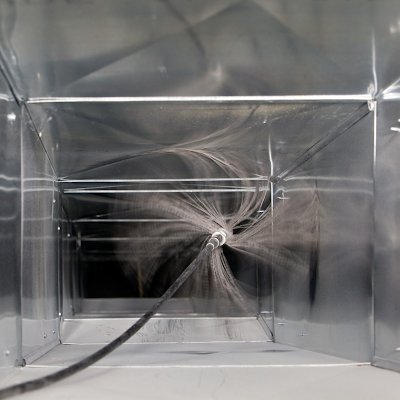
Wildfire Residue Findings Impact Indoor Air Across Local Neighborhoods
Wildfire residue behaves differently from ordinary household dust. Field measurements taken from return plenums and horizontal trunk lines show that smoke-derived particles average under 2.5 microns in size. That scale allows them to bypass standard HVAC filters during high-load days and settle downstream inside duct interiors. Once attached to metal or fiberglass liners, these particles resist normal airflow shear and remain in place for months.
Across San Antonio neighborhoods downwind of Hill Country burn zones, technicians have reported measurable changes in indoor particulate counts even weeks after outdoor AQI readings returned to normal. Indoor monitors placed near supply registers showed PM2.5 readings 18–27 percent higher than baseline levels recorded in 2022. That gap narrowed only after a full system cleaning, rather than just filter replacement.
Several technical factors explain why residue accumulates faster now:
Variable-speed blower motors run longer at lower RPMs, reducing turbulence inside ducts
Insulated flex ducting creates micro-pockets where ash settles and compacts.
Higher humidity cycles cause residue to bind to liner surfaces rather than remain airborne.
This residue also alters how air moves. Technicians measuring static pressure before and after cleaning noted pressure drops averaging 0.18 inches of water column once the buildup was removed. That change affects how evenly conditioned air reaches distant rooms, particularly in single-story slab homes typical on the city’s west side.
What stands out in 2026 is how quickly these conditions return. Systems cleaned in early spring showed visible residue again by late summer, especially in homes using MERV-8 filters during smoke advisories. The pattern suggests that wildfire residue is no longer a rare event contaminant but a recurring indoor air factor that HVAC designs from a decade ago were not built to handle.
Air Duct Cleaning San Antonio TX Demand Rises After Smoke Exposure
Service logs from across the city indicate a sharp shift in the reasons property owners request duct inspections. Before 2023, most calls followed remodels, water events, or long gaps between maintenance. In 2026, smoke exposure is now cited as the primary trigger in more than one-third of inspection requests.
The shift is tied to how residue affects system performance rather than visible dust alone. Technicians are increasingly documenting:
Faster filter loading within 30–45 days
Supply vents are emitting a faint odor during cooling startup.
Temperature imbalance between adjacent rooms
These symptoms often trace back to residue layered inside supply branches rather than at the return grille. In multi-return homes, a single contaminated branch can affect only part of the structure, making the issue more challenging to spot without an internal inspection.
The table below reflects common system findings observed during post-smoke inspections in 2026:
System Area Inspected | Common Condition Found | Frequency Observed |
Main supply trunk | Fine ash film buildup | High |
Flex duct elbows | Compacted residue | Medium |
Return plenum | Dark particulate layer | High |
Blower housing | Surface dust adhesion | Medium |
Another driver behind rising demand is mechanical wear. Residue acts as an abrasive when pulled across blower wheels and evaporator fins. Over time, this reduces heat transfer efficiency and increases amperage draw. Technicians measuring motor load before cleaning recorded average reductions of 6–9 percent after internal surfaces were cleared.
Homes built between 2005 and 2015 show the most pronounced effects. These systems often combine long flex runs with high-efficiency blowers, a pairing that performs well in clean conditions but struggles once fine debris accumulates.
Residential HVAC Systems Show Faster Debris Accumulation In 2026
Residential systems across San Antonio are aging in environments different from those for which they were designed. Wildfire residue has effectively shortened the maintenance cycle by altering how debris behaves once inside duct networks. Instead of settling loosely and moving with airflow, smoke particles bond with existing dust, forming denser layers that cling to duct walls.
Technicians documenting system interiors in 2026 note that debris accumulation now follows predictable zones:
Horizontal runs above ceilings collect residue first
Downstream branches near exterior walls show heavier buildup.
Supply boots accumulate layered deposits that restrict throw
This buildup changes how systems operate day to day. Thermostat runtimes increase, but comfort does not improve evenly. In several monitored homes, cooling cycles extended by an average of 12 minutes per call once ducts reached a certain contamination threshold.
Another overlooked factor is how residue interacts with insulation. Fiberglass-lined ducts absorb smoke particles more readily than bare metal. Once embedded, those particles release slowly back into the airstream during high humidity cycles, contributing to persistent indoor air complaints even after outdoor conditions improve.
From a technical standpoint, this has pushed professionals to rethink inspection intervals. Instead of relying on calendar-based schedules, many technicians now assess systems based on pressure readings, filter loading rates, and visual inspection of key duct sections.
Insights shared by local air duct cleaning technicians highlight that systems exposed to repeated smoke events benefit from earlier intervention, not because of visible dirt, but due to how residue alters airflow dynamics over time. Their field data shows that once accumulation reaches certain density levels, normal HVAC operation cannot self-clear the system.
Commercial Properties Face Compliance Pressure From Airflow Inspections
Commercial buildings across San Antonio are facing a new layer of pressure in 2026. Indoor air inspections are no longer limited to comfort complaints. They are tied to documented airflow performance, particulate thresholds, and mechanical condition records. Wildfire residue has added a variable that many facility managers did not plan for when systems were commissioned.
Large rooftop units and multi-zone systems move far more air than residential setups. That volume accelerates residue spread once contaminants enter the return side. Inspections conducted after smoke events show particulate migration across multiple zones, even when only one intake was exposed. In retail strips and medical offices, residue was detected up to 140 feet from the original return location.
Key technical observations reported during inspections include:
Supply velocity reductions of 8–14 percent in branch lines
Uneven static pressure across VAV boxes
Premature sensor fouling inside air handlers
These issues matter because inspection benchmarks are measured, not assumed. Airflow readings taken at diffusers must fall within narrow tolerances. Residue buildup shifts those numbers quietly. A system can still run while failing inspection metrics.
Another factor is system runtime. Commercial units often operate 10–14 hours per day. That extended operation pulls more airborne residue into the duct network during regional smoke days. Once inside, the material spreads faster than in residential systems due to higher CFM rates.
Facility logs from 2026 show that buildings exposed to two or more smoke advisories per year required internal duct intervention sooner than planned. In several cases, inspections flagged airflow imbalance even though filters were replaced on schedule.
This pressure has pushed building operators to pay closer attention to internal duct conditions rather than relying on surface-level maintenance. That shift connects directly to how energy performance is now being evaluated.
Energy Cost Analysis Connects Dirty Ducts To Higher Utility Bills
Energy data from San Antonio properties shows a consistent pattern in 2026. Systems operating with internal duct contamination draw more power to deliver the same output. The reason is mechanical, not theoretical.
Residue inside ducts increases friction. That friction raises static pressure. Higher pressure forces blower motors to work harder. Even a small increase compounds over long cooling seasons.
Technicians comparing pre- and post-cleaning data observed:
Blower amperage drops between 5–11 percent
Shorter cooling cycles once airflow normalizes
Reduced temperature spread between supply registers
These changes translate into measurable differences in energy over time. In homes with variable-speed systems, motors compensate by ramping up longer. In fixed-speed systems, comfort drops first, then energy use climbs as thermostats call for longer cycles.
Another overlooked detail is coil performance. Smoke residue that bypasses filters often settles on evaporator fins. Even a thin layer reduces heat exchange efficiency. Infrared readings taken before internal cleaning showed coil surface temperatures averaging 6–9 degrees higher than normal under load.
Utility usage patterns reflect this. Properties with documented duct contamination showed summer kWh usage increases ranging from 12 to 18 percent compared to similar layouts with clean systems. That gap narrowed once airflow resistance was reduced.
Energy performance is no longer just about equipment age. Internal air pathways now play a larger role than they did a decade ago, especially in regions affected by recurring smoke exposure. Seasonal weather patterns further amplify these effects.
Seasonal Weather Patterns Accelerate Contaminant Spread Indoors
San Antonio’s climate plays a measurable role in how wildfire residue behaves once it enters indoor air systems. Extended cooling seasons now average more than 240 active HVAC days per year, and relative humidity regularly fluctuates between 45% and 75% within a single week. These shifts directly affect particle adhesion, movement, and redistribution inside duct networks.
During high-humidity periods, fine smoke particles absorb moisture and bind tightly to duct liners and internal insulation. Field measurements taken inside supply trunks show particulate adhesion rates increasing by up to 32% when indoor humidity exceeds 60%. This bonding limits natural shedding, even during high airflow cycles. When drier conditions return, typically during late-summer heat waves or early-fall fronts, the bonded residue fractures into smaller particles.
Technicians monitoring seasonal system behavior consistently observe three patterns:
Spring humidity spikes accelerate residue spread across horizontal duct runs
Summer heat extends blower runtime by 15–22%, allowing contaminants to be pulled deeper into the system.
Fall pressure shifts dislodge compacted debris from trunks and elbows.
Homes with attic-mounted ductwork show the most potent effects. Temperature differences between attic spaces and conditioned air often exceed 30°F, creating repeated condensation cycles inside ducts. That moisture acts as a binding agent, allowing smoke residue to cling to liner surfaces longer than standard dust. Over time, this buildup alters airflow balance and increases internal resistance.
Material response adds another layer. Metal ducts expand and contract with temperature swings, loosening residue layers that migrate downstream. Flexible ducts develop compression points where debris collects and remains trapped. Inspections conducted after seasonal transitions show particulate density increases of up to 40% at these pinch points compared to straight runs.
These mechanics explain why indoor air issues often surface months after wildfire events. Contaminants were already present but became mobile only when weather conditions shifted. This pattern is now reshaping how property owners across the city plan system evaluations and indoor air management.

Summary: Preparing San Antonio Homes For Cleaner Indoor Air
By 2026, wildfire residue has become a long-term factor influencing indoor air performance across San Antonio. Fine particulates no longer clear naturally once outdoor air improves. They settle inside duct systems, bind to internal surfaces, and recirculate under changing weather conditions, affecting airflow stability, energy use, and overall system behavior.
Residential and commercial data point to the same outcome. Internal air pathways now require closer attention than in previous years. Longer cooling seasons, humidity swings, and repeated smoke exposure have reduced the margin between stable operation and performance decline.
Property owners looking to understand better how these conditions affect their HVAC systems can contact TX Builders today for guidance based on hands-on field experience across South Texas. Their team can be reached to discuss system evaluations, airflow concerns, and indoor air planning tailored to current regional conditions.

Contact Information:
TX Builder, Attic Insulation & Air Duct Cleaning Specialist
5810 Worth Pkwy #4310
San Antonio, TX 78257
United States
. .
(210) 818-1237
https://txbuilderusa.com/