Spring, TX plumbing experts provide helpful advice on spotting and resolving common toilet problems quickly.
Spring, United States - April 29, 2026 / JD Precision Plumbing Services /
How to Better Care for a Home's Toilets
A toilet is one of the most frequently used fixtures in any home, yet it rarely receives much attention until something goes wrong. Recognizing the early warning signs of toilet trouble and understanding how daily habits affect long-term performance can save homeowners from costly toilet repairs and inconvenient breakdowns. Taking a closer look at what those signs mean, how to prevent common problems, and how the broader plumbing system plays a role creates a foundation for better toilet care across the board.
Signs a Toilet Needs Repair or Replacement
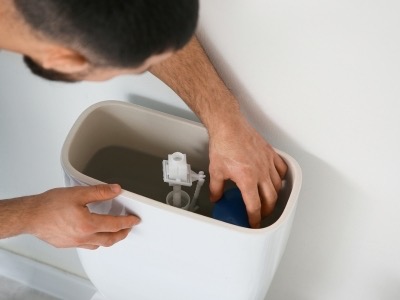 A toilet that runs constantly is one of the most common and telling signs that something inside the tank is no longer functioning correctly, whether that is a worn flapper, a faulty fill valve, or a float that has stopped regulating the water level properly. Visible leaks around the base or from the tank are equally concerning, as water pooling near the toilet can damage flooring and subfloor materials while silently driving up water bills. Frequent clogging, weak flushes that fail to clear the bowl completely, and gurgling sounds after flushing all suggest that the toilet is struggling in ways that a professional inspection should address sooner rather than later.
Physical damage to the toilet itself is another category of concern that homeowners should take seriously, particularly when cracks appear in the porcelain bowl or tank. A cracked bowl is not a cosmetic issue but a structural one, since even a hairline fracture can worsen over time and eventually lead to a leak or a complete failure. Any visible crack in the bowl or tank is a clear signal that replacement is the responsible next step rather than attempting a temporary fix.
Some situations call for replacement not because of a single dramatic failure, but because of a pattern of ongoing problems or simply the age of the unit. Toilets that seem to require constant repairs, even for minor issues, begin to cost more in service calls and parts than a new, reliable unit would. Toilets over 25 years old also tend to be far less water-efficient than modern low-flow models, meaning they consume more water per flush and add unnecessary expense to every monthly utility bill.
Tips for Preventing Toilet Clogs
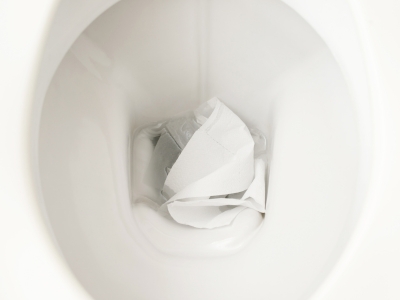 The single most effective step toward preventing toilet clogs is being deliberate about what gets flushed, because the toilet is designed to handle only two things: human waste and toilet paper. Items like paper towels, facial tissues, baby wipes, and so-called flushable wipes do not break down in water the way toilet paper does, and flushing them creates the conditions for stubborn clogs to form in the drain line. Dental floss, cotton balls, and hygiene products belong in a trash can rather than the toilet bowl, and making that distinction a household habit goes a long way toward keeping the drain clear.
Even toilet paper, when used in excessive quantities and flushed all at once, can overwhelm the drain and create a blockage that a plunger struggles to resolve. Using a moderate amount of toilet paper per flush and flushing multiple times when more is needed keeps the volume of material moving through the drain at a manageable level. That simple adjustment in habit costs nothing but can prevent the inconvenience and expense of a clogged toilet repair call.
Teaching everyone in a household about proper flushing habits is especially important in homes with children, where curiosity about the toilet can lead to all sorts of inappropriate items being sent down the drain. Placing a small waste bin near every toilet gives household members and guests a visible and convenient alternative to flushing non-flushable items. Consistent habits practiced by everyone in the home make a meaningful difference in how often the toilet experiences problems over time.
How Sewer Lines Impact Toilets
The connection between a home's toilets and the main sewer line means that problems in the sewer line will often reveal themselves through toilet performance first. A partial or full sewer line clog restricts the flow of waste leaving the home, which can cause toilets to back up, flush sluggishly, or clog repeatedly, even when nothing unusual has been flushed. When multiple toilets or drains in a home begin experiencing issues at the same time, the sewer line is a likely culprit, and a professional sewer inspection becomes the appropriate next step.
The relationship between toilet habits and sewer line health runs in both directions, meaning that what goes into the toilet does not stop mattering once it clears the bowl. Items like wipes, grease residue from cleaning, and hygiene products may pass through the toilet trap without causing an immediate clog, yet continue traveling into the sewer line, where they accumulate over time. That gradual buildup narrows the sewer line, increases the risk of a major blockage, and eventually creates the same toilet backup and clogging symptoms that started with what seemed like a harmless flush.
Understanding this connection reframes the importance of careful flushing habits as a matter of protecting the entire plumbing system, not just the toilet itself. A sewer line clog is a more complex and costly problem to resolve than a standard toilet clog, often requiring professional sewer cleaning or video inspection to fully diagnose and clear. Keeping non-flushable items out of the toilet is one of the simplest and most effective ways to protect the sewer line and keep every toilet in the home functioning reliably.
Call JD Precision Plumbing Services
JD Precision Plumbing Services is a comprehensive plumbing, heating, and cooling solutions company serving Spring, TX, and beyond. They offer upfront pricing, expert insights, and top-notch equipment. Call them today for clogged toilet repair services in Spring, TX.


Contact Information:
JD Precision Plumbing Services
26310 Oak Ridge Dr Unit #40
Spring, TX 77380
United States
Nic Sonntag
(832) 743-7700
https://www.jdprecisionplumbing.com/spring/