Insurers grapple with new fraud threat: AI-generated images
PR Newswire
CARY, N.C., May 28, 2026
Fake or altered photos depict evidence, from crash scenes to receipts, to support fraudulent claims
CARY, N.C., May 28, 2026 /PRNewswire/ -- Insurance fraud, unfortunately, is inevitable. A certain amount of fraud is priced into the product. The goal for insurers is to find the right balance – focusing on fraud prevention for the biggest cases without alienating trusted customers.
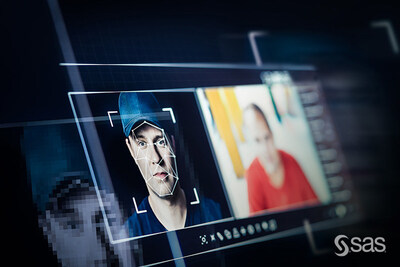
But the AI age has introduced a new source of fraud that threatens that balance by making fraud simpler, easier and more widespread: images that have been altered, or even completely synthetically generated, using AI for the purpose of filing a fraudulent insurance claim.
A fast-growing threat
Insurance fraud costs US consumers an estimated $308.6 billion a year, and about 1 in 10 property-casualty insurance losses includes fraud. Last year, a major short-term lodging rental company found that one of its hosts had used digitally manipulated images to falsely accuse a renter of causing thousands of dollars' worth of damage.
Are fraud-fighters ready? A recent fraud survey by the Association of Certified Fraud Examiners and SAS found that only 7% of anti-fraud professionals said their organization is more than moderately prepared to detect or prevent AI-charged fraud. Among insurance industry respondents, none expressed more than moderate confidence.
And a simple experiment from SAS Insurance Fraud Specialist Adam Hall demonstrates how generative AI can be used to fabricate convincing crash scenes in seconds, closely mirroring the tactics fraudsters and organized crime groups are already using to deceive insurers. The good news: SAS also offers a solution to fight back.
Staying a step ahead: synthetic image detection
What can insurers do? At April's SAS Innovate data and AI event, SAS Principal Data Scientist Robert Blanchard presented some answers based on synthetic image detection. Blanchard shared a use case from one insurance customer that had asked SAS for a solution to address a surge in fraudulent receipt images.
Based in SAS® Intelligent Decisioning, SAS built an agentic fraud‑screening pipeline that combines computer vision, optical character recognition (OCR) and LLM reasoning. The solution allows the insurer to quickly detect synthetically generated or manipulated images before they are used in claims decisions. And while the solution was built for insurance, Blanchard said it can easily extend to other industries, including banking and government – where synthetic image fraud is also a major issue.
The AI-driven pipeline provides:
- Automated content screening. Documents and images are automatically evaluated for signs of manipulation.
- Multisignal fraud detection. OCR-derived text, semantic reasoning and forensic image analysis combine to identify suspicious content.
- Risk-based decisioning. A calibrated risk score supports actions such as auto-approval, escalation to human review, or rejection.
- Explainable results. Visual overlays highlight suspicious areas in images, helping investigators understand why content was flagged.
- Operational monitoring. Dashboards in SAS® Viya® allow organizations to monitor model behavior, risk trends and decision outcomes over time.
Visualizing the threat
Statistics are one thing. Seeing examples with your own eyes is another. SAS used generative AI – technology increasingly accessible to anyone with a computer – to create doctored insurance images. The results show how easily believable "damage" can be added to everyday photos.

Image 1: Two cars in an accident
Image 1 appears to be a car collision scene. But the entire photo is synthetic, created using a prompt for a collision on a suburban English street.
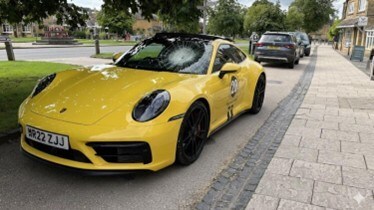
Image 2: A car with a damaged windshield
In Image 2, the yellow car is real. But it has been digitally altered: Bystanders have been removed, number plates have been altered, and the windshield damage is the work of AI. Small manipulations, or "vanilla synthetics," often go unnoticed by the human eye and can be extremely difficult for investigators to uncover once embedded in a claim.

Image 3: A chair with a coffee stain
In Image 3, the coffee stain on the chair was generated by AI. A landlord, guest or tenant could plausibly present it as genuine damage.

Image 4: Coffee table with a crack
Finally, in Image 4, what appears to be a small crack in a coffee table is digitally fabricated. The edit is subtle enough to pass for genuine wear and tear – the kind of everyday damage that could easily support a fraudulent claim.
"With just a few prompts, fraudsters can use generative AI tools to create, enhance or erase visual evidence to support a false insurance claim," said Franklin Manchester, Principal Global Insurance Advisor at SAS. "Once you see how easy it is to create a forgery or manipulate an image, the scope of the problem becomes glaring.
"But just as AI is being used to empower fraud, insurers can also use it to fight back. It can not only analyze huge volumes of claims data, but it can also detect anomalies in images that humans simply cannot. These synthetic image detection tools can help insurers reduce losses, improve accuracy and protect customers from paying the costs of unchecked fraud."
SAS is a global leader in data and AI. With SAS software and industry-specific solutions, organizations transform data into trusted decisions. SAS gives you THE POWER TO KNOW®.
SAS and all other SAS Institute Inc. product or service names are registered trademarks or trademarks of SAS Institute Inc. in the USA and other countries. ® indicates USA registration. Other brand and product names are trademarks of their respective companies. Copyright © 2026 SAS Institute Inc. All rights reserved.
Editorial Contact:
Trey Whittenton
Trey.Whittenton@sas.com
919-531-2250
sas.com/news
 View original content to download multimedia:https://www.prnewswire.com/news-releases/insurers-grapple-with-new-fraud-threat-ai-generated-images-302784735.html
SOURCE SAS